


Skip to content
Plant Identifier app icon

Plant Identifier · Tree identification app for iPhone

What kind of tree is this?

Snap a leaf, the bark or the whole tree. Plant Identifier tells you what it is and how to look after it, whether it's in the park, on a trail or in your own yard.

Download Plant Identifier on the App StoreDownload Plant Identifier on the App Store

Free · iPhone

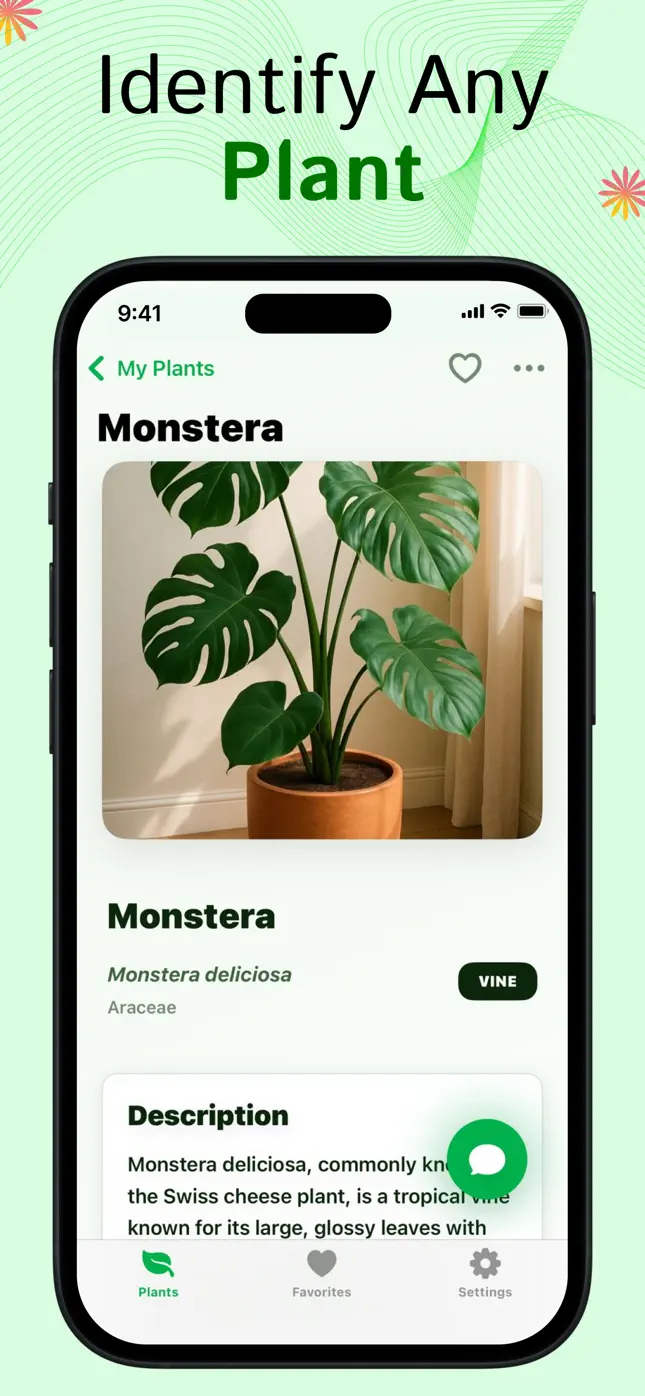
Plant Identifier result screen with a plant's photo, common name, scientific name and description
  • From one leaf

    A single clear leaf is often enough

  • From the bark

    Works in winter, when branches are bare

  • Tree health checks

    Find out what's wrong with damaged leaves

  • AI botanist

    Ask as many questions as you like

How it works

How to identify a tree by picture

  1. Person taking a photo of a plant with a phone
    1

    Photograph a leaf, the bark or the tree

    Open the app and point the camera at one leaf, the trunk or the whole tree, or pick a photo you already took.

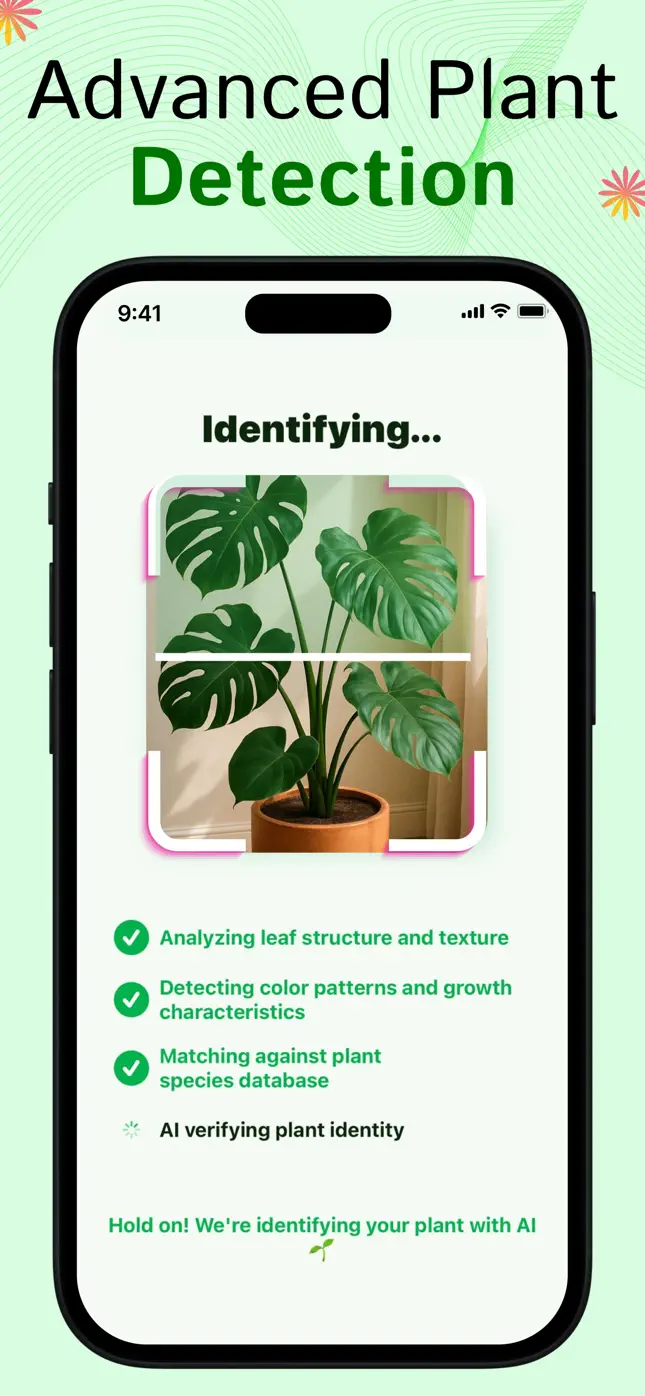
  2. Plant Identifier analyzing a photo of a plant
    2

    Let the AI compare it

    Plant Identifier looks at the leaf shape, edges and veins, or the bark's texture, and checks them against its plant database.

  3. Identification result for a plant
    3

    Get the tree's name and details

    See the common and scientific name, its family and a clear description, with care tips if it's your tree.

Identify a tree by its leaves

One leaf is often enough

Leaves are the easiest way to tell trees apart. Their shape, edges and vein pattern say a lot about the tree, so a single clear photo of one leaf is usually enough to name it.

  • Simple, lobed and compound leaves
  • Needles and scales on pines, spruces and cedars
  • Tip: lay the leaf flat on a plain background
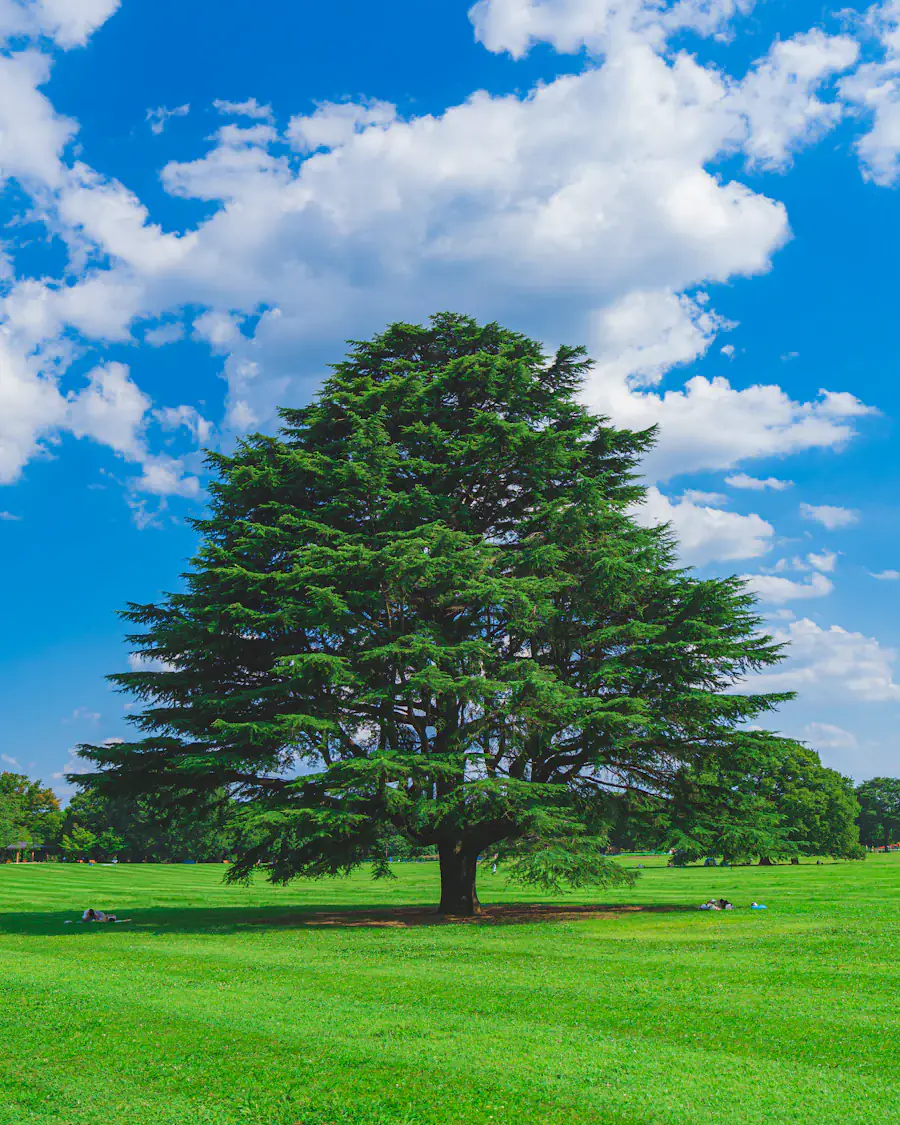
Large tree in a green field
Plant Identifier analyzing a photo of a plant

Common trees

Oaks, maples, pines and more

From street trees and backyard shade trees to fruit trees and evergreens, Plant Identifier names the trees you see every day, and you can save each one to your collection.

  • Oak, maple, birch, ash, pine and spruce
  • Fruit trees such as apple, cherry and citrus
  • Flowering trees such as magnolia and dogwood
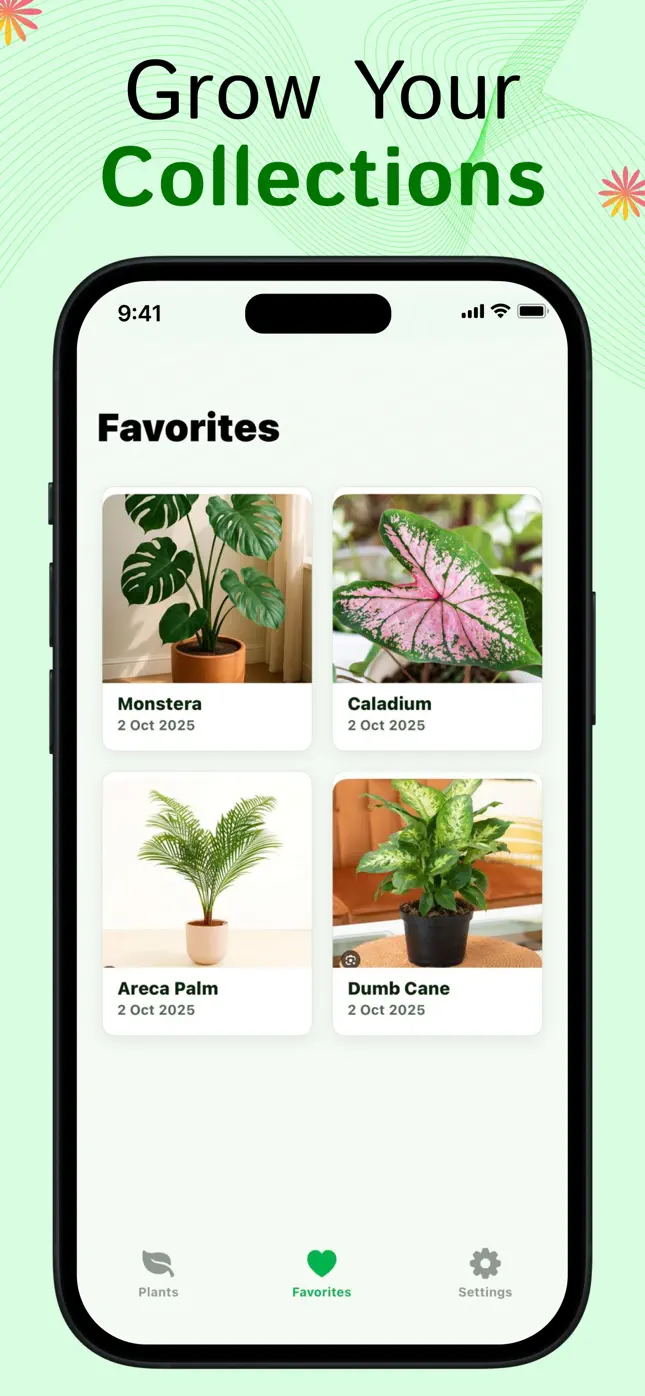
Favorites screen with several saved plants

Tree bark identification

No leaves? Use the bark

In winter, or when the leaves are out of reach, photograph the trunk instead. Bark can be smooth, ridged, scaly or peeling, and those patterns are often enough to tell what kind of tree it is.

  • Works when the branches are bare
  • Get close enough to show the bark's texture
  • Not sure? Try a second photo from another angle
Plant Identifier result screen with a plant's photo, common name, scientific name and description

Tree health

What's wrong with my tree?

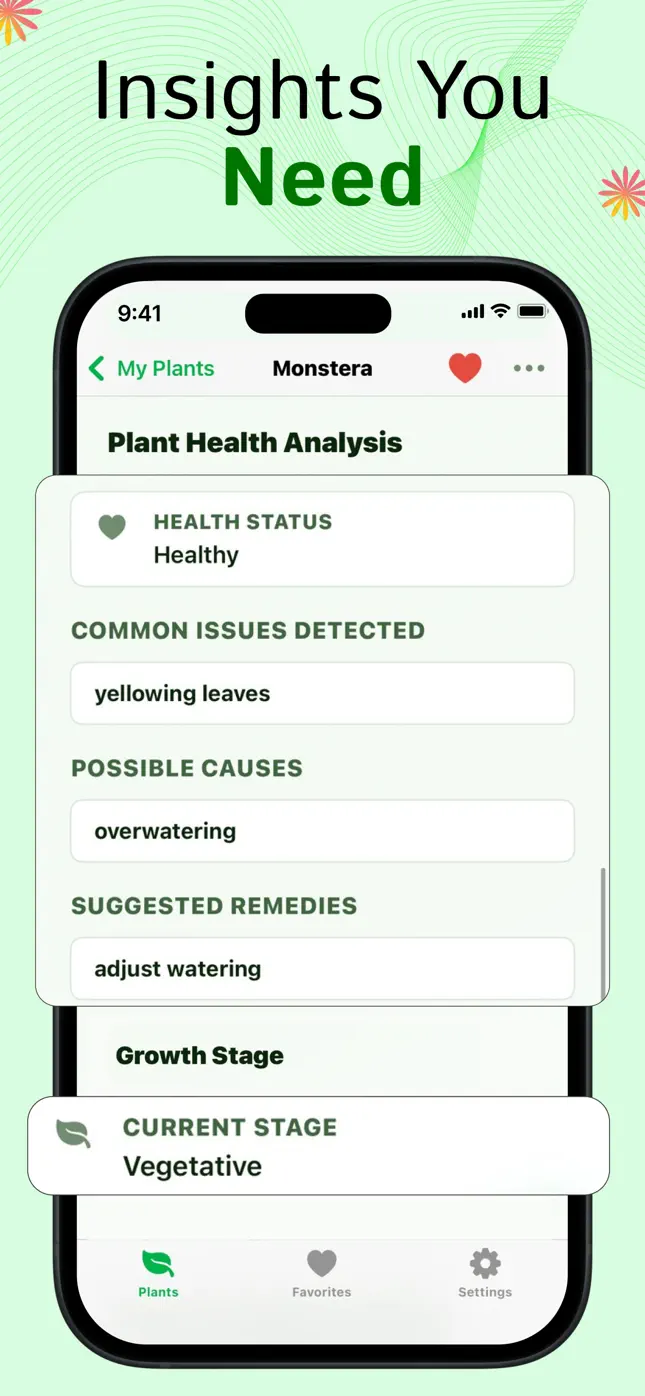
Brown spots, yellowing or curling leaves? Snap the damaged leaves and get a health check with likely causes and what you can do about them.

  • Health status at a glance
  • Common problems and possible causes
  • Suggested remedies you can act on
Plant health analysis showing yellowing leaves, overwatering as a possible cause and suggested remedies

Tree care

Know how to look after it

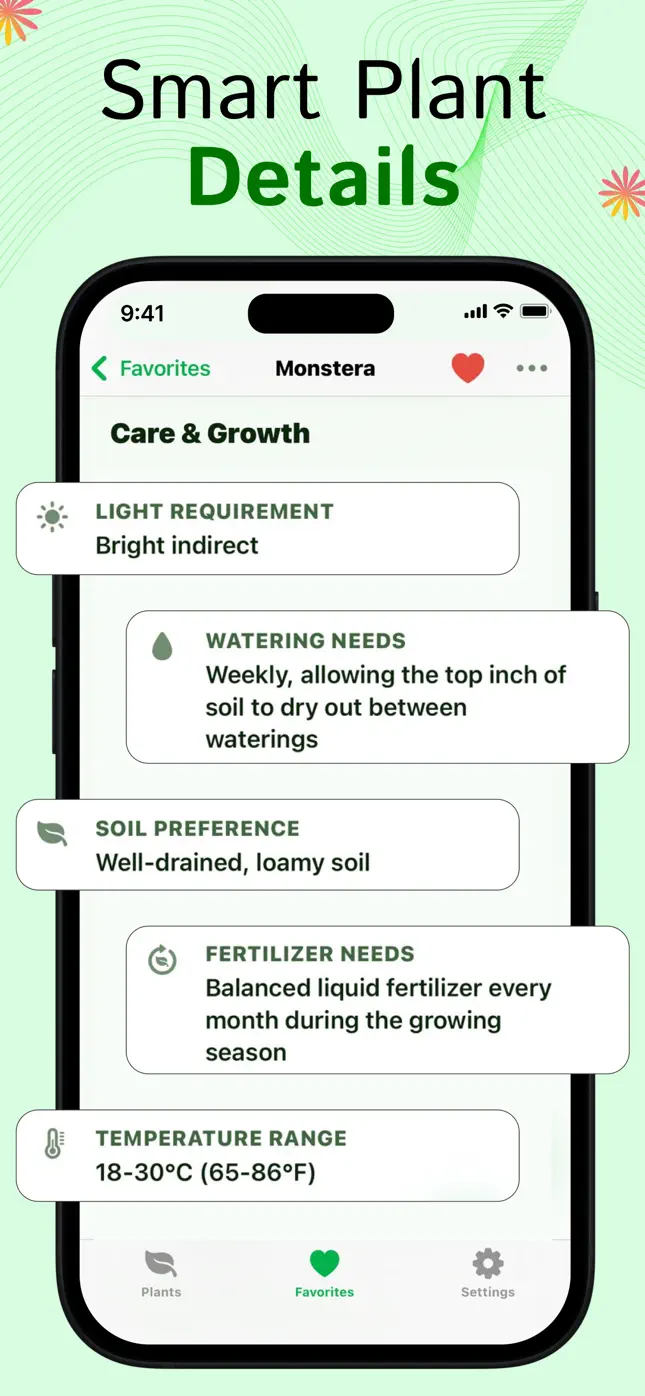
Planted a young tree or moved into a house with an old one? Every tree you identify comes with a care guide in plain language.

  • Light and space it needs
  • Watering, especially for young trees
  • Soil, fertilizer and temperature range
Plant care guide with light, watering, soil, fertilizer and temperature needs

AI botanist

Ask anything about your tree

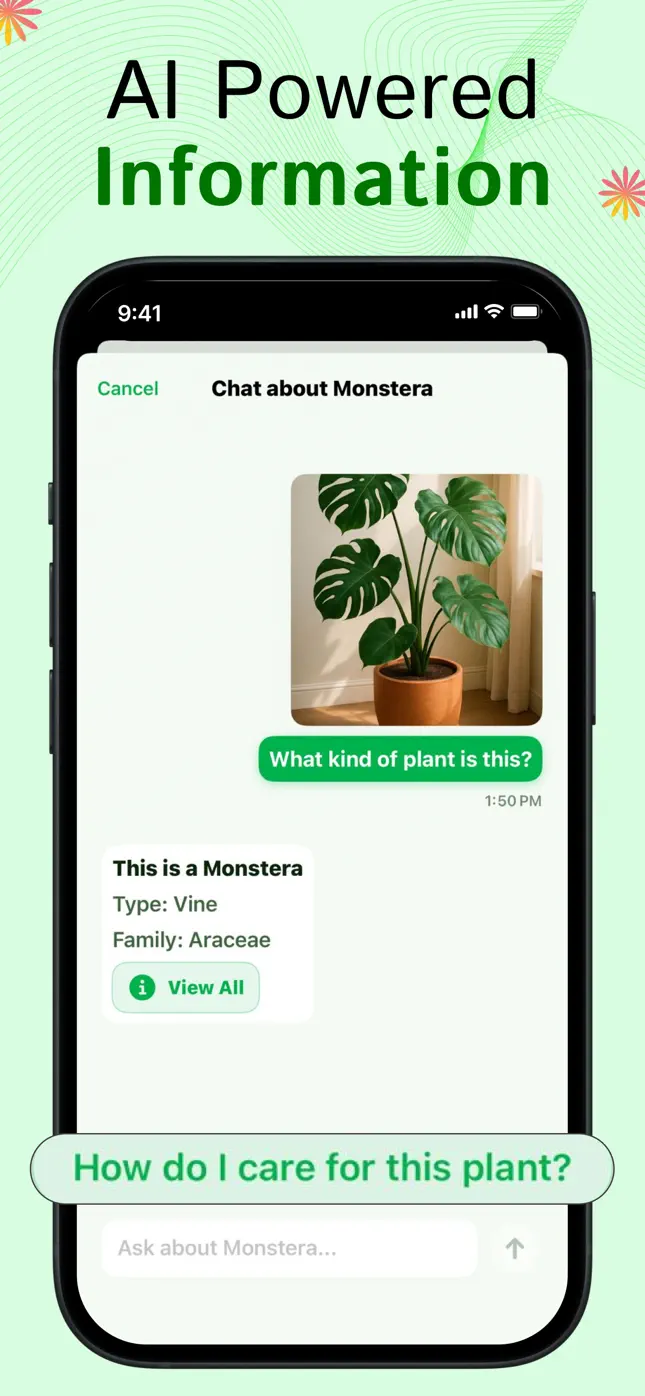
How big will it get? When should I prune it? Is it messy in the fall? Ask the AI botanist about the tree you identified, as many questions as you like.

  • Follow-up questions in a chat
  • Pruning, planting and growth tips
  • Answers based on the tree you identified
Chat with the AI botanist about a plant

Good to know

An app is a good first step

Plant Identifier gives you a quick, informed answer, but like any photo tool it can get things wrong, especially from a blurry photo or an unusual angle.

  • Never eat berries, nuts or fruit from a tree based on an app alone
  • For a tree that's leaning, cracked or close to your house, ask a certified arborist
  • Some trees and leaves are toxic to pets: check the toxicity alert before you plant

If a pet or person may have eaten part of a tree, contact your vet, doctor or a poison control center straight away.

Who it's for

For anyone curious about trees

  • Hikers and walkers

    Find out what kind of tree that is on the trail or in the park.

  • Homeowners

    Name the trees in your yard before you prune, plant or take one down.

  • Students and teachers

    Tree identification for school projects, field trips and nature walks.

  • Gardeners

    Choose the right tree for your yard and keep it healthy.

FAQ

Questions about identifying trees

Something else? Email us at [email protected].

How do I identify a tree?

Start with the leaves: their shape, their edges and whether they grow in pairs or alternate along the twig. Then look at the bark, any fruit, nuts or flowers, and the tree's overall shape. The quickest way is to take a photo of a leaf or the bark with Plant Identifier, which names the tree in a few seconds.

Is there an app to identify trees?

Yes. Plant Identifier is a tree and plant identification app for iPhone. Take a photo of a leaf, the bark or the whole tree and it tells you what kind of tree it is, with care tips, health checks and an AI botanist for your questions.

Can I identify a tree from a leaf?

Yes. A single clear leaf is often enough. For the best result, photograph one leaf flat against a plain background, in good light, with the whole leaf in the frame.

Can I identify a tree from its bark?

Yes. That's useful in winter, when the branches are bare. Photograph the trunk at eye level, close enough to show the bark's texture. If the result isn't clear, try a second photo from another side of the tree.

How can I tell an oak from a maple?

Look at the leaves and how they grow. Maple leaves grow in pairs, opposite each other on the twig, and are shaped like an open hand with pointed lobes. Oak leaves grow one at a time, alternating along the twig, and many have rounded or bristle-tipped lobes. Oaks have acorns; maples have winged seeds.

What's wrong with my tree?

If the leaves have spots, holes, yellowing or curling, take a photo of them and Plant Identifier shows a health check with likely causes and remedies. For a tree that's leaning, cracked, losing large branches or close to a building, ask a certified arborist.

Is the tree identifier free?

Tree identification is part of Plant Identifier. Free to download. Try it free on your first plant, and ask as many questions as you like about it.

Which devices does it work on?

Plant Identifier is an iPhone app.

Find out what kind of tree that is

Free to download. Try it free on your first plant, and ask as many questions as you like about it.

Download Plant Identifier on the App Store
See everything Plant Identifier does

Privacy policy·Terms of service