Animal Identifier · Spider identification app for iPhone
What spider is this?
Found one in the bathtub, the garage or the garden? Take a photo from a safe distance and Animal Identifier names the spider, notes if it may be harmful and answers your questions about it.
Free · iPhone
From one photo
Name a spider from a single picture
Harmful or not
Each result notes if it may be harmful
Ask if it's venomous
Ask as many questions as you like
Location-aware
Results that consider where you are
How it works
How to identify a spider by picture
1
Photograph the spider from where you are
Stay back and use the zoom. Try to get the whole spider in the frame, with its legs and the markings on its back in focus.
2
Let the AI compare it
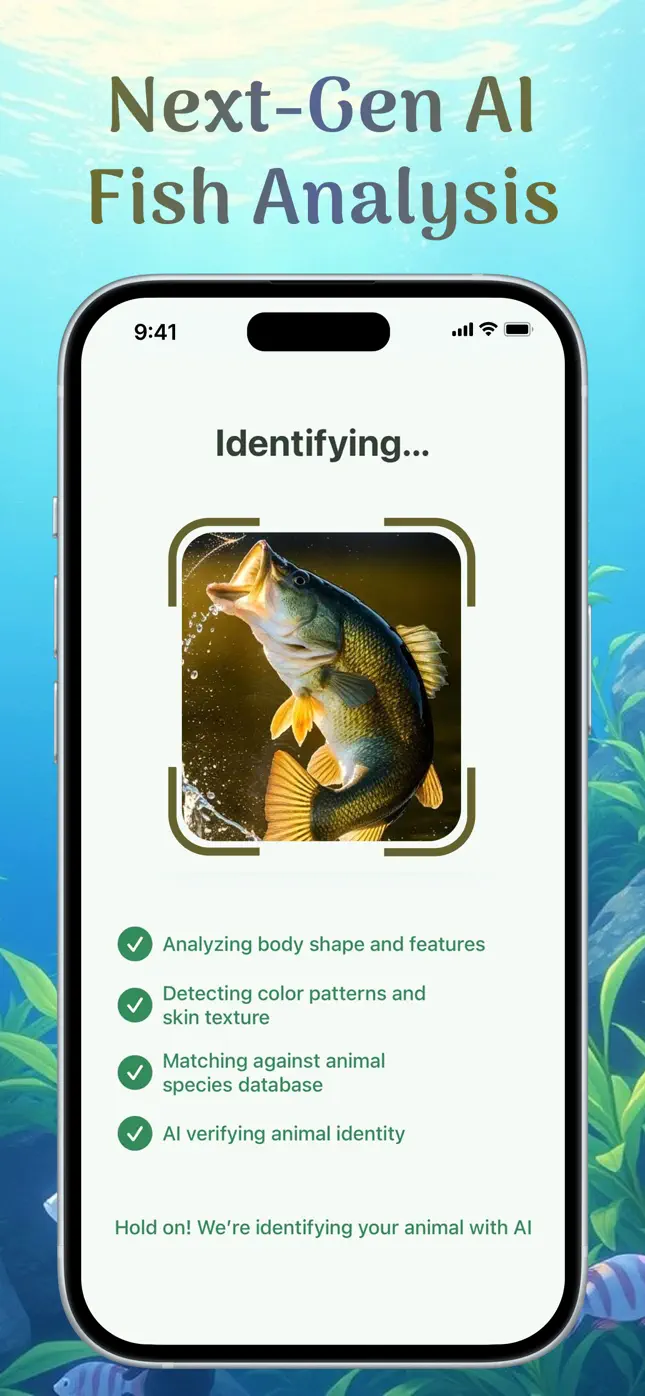
Animal Identifier looks at the spider's body shape, color and markings, then checks them against its species database.
3
See what spider it is
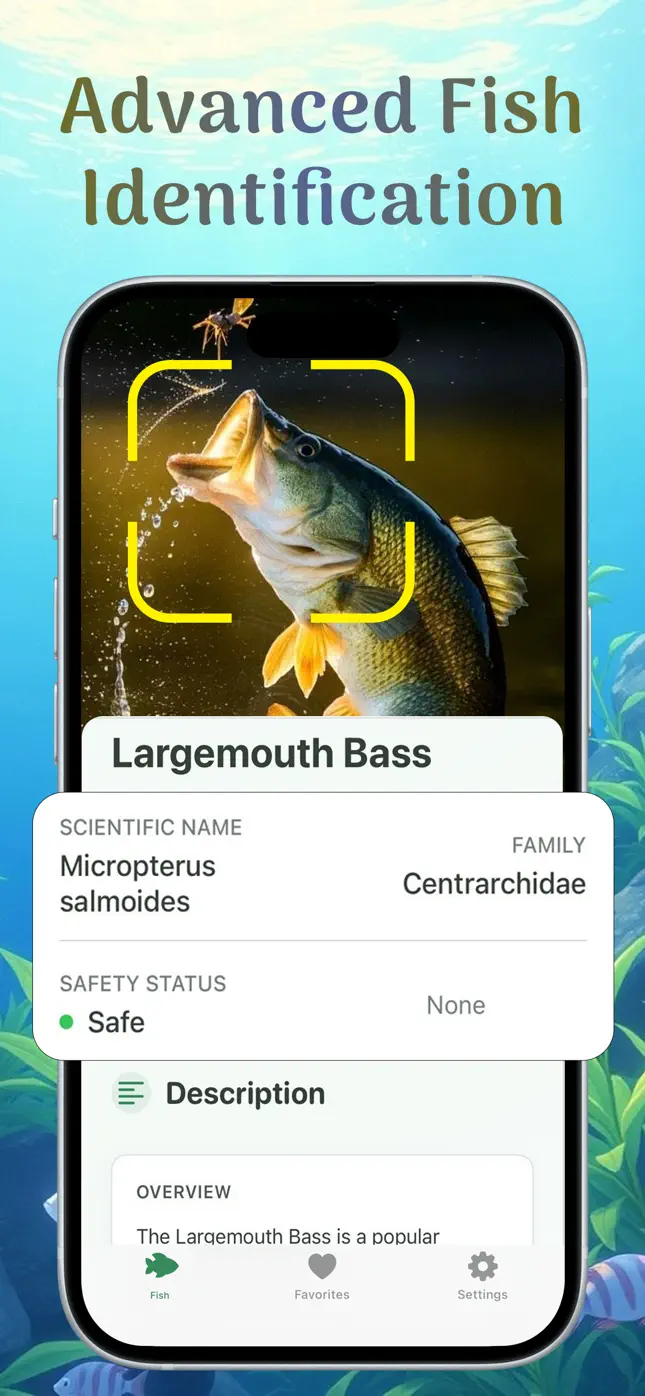
Get the common and scientific name, its family and a short description, plus a note if it may be harmful.
Spider identifier by picture
Name a spider from one photo
You don't need to count eyes or catch it in a jar. A clear photo of the spider is usually enough for Animal Identifier to tell you what it is.
Works on a new photo or one you already took
Spiders indoors, in the garden or in the woods
Tip: photograph it against a plain wall or in its web
Common house spiders
The spiders that move in with you
Most spiders you find indoors belong to a handful of groups. Snap the one in the corner to see which it is, and save it to your favorites with the date you found it.
Cellar spiders, with tiny bodies and very long, thin legs
Wolf spiders, which hunt on the floor instead of using a web
Jumping spiders, with large front eyes and short, quick hops
Is this spider poisonous?
Ask whether it's venomous
The result notes if the spider may be harmful. Want to know more? Open the chat and ask whether it's venomous, whether it bites, or how to tell it from a look-alike. Keep your distance while you check.
A safety status on every result
Follow-up questions in a chat
Answers based on the spider you identified
Spider identification
Tell look-alike spiders apart
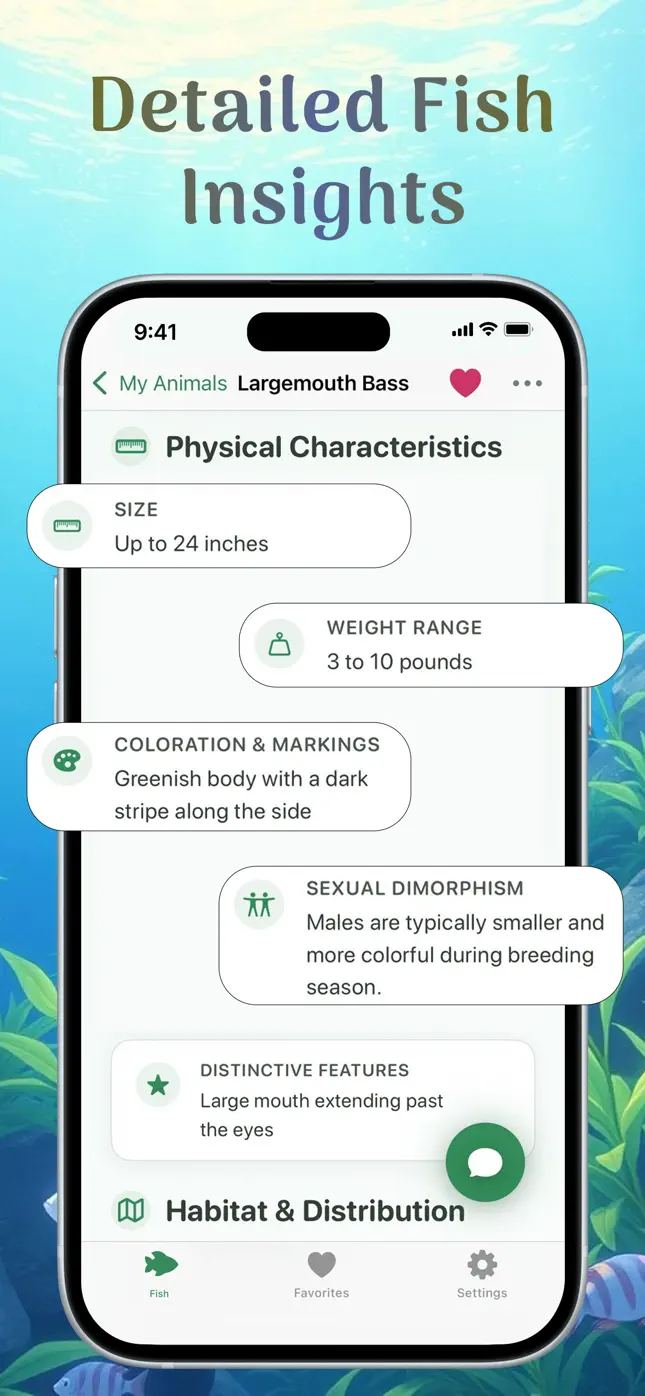
Many brown or black spiders look alike at first glance. Each result comes with a profile of the spider's size, colors and markings, so you can check the details against the one in front of you.
Typical size and leg span
Coloration and markings
Distinctive features to look for
Spider habitat and habits
Where it lives and what it eats
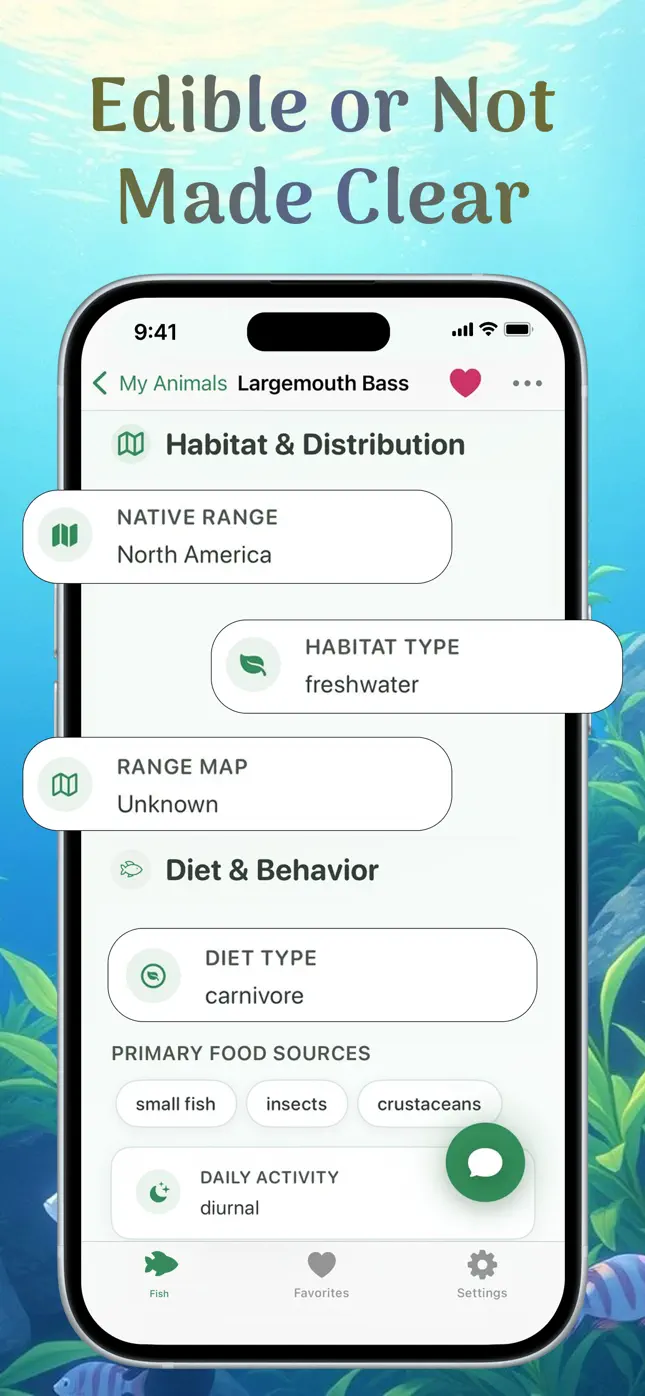
Find out where the spider is usually found, whether it builds a web or hunts on foot, what it feeds on and when it's most active.
Native range and habitat
Diet and main food sources
Daily activity: day or night
Stay safe
Look, don't touch
Animal Identifier gives you a quick, informed answer, but like any photo tool it can get things wrong, especially from a blurry photo or a spider seen from an odd angle.
Don't pick up or touch a spider you can't name
Use the zoom instead of moving closer
Wear gloves when you clear out woodpiles, sheds and boxes
Never rely on an app for safety. Keep your distance, and if someone is bitten, call emergency services or Poison Control (1-800-222-1222 in the US).
Who it's for
For anyone who just found a spider
Homeowners and renters
Find out what's living in the basement, the garage or the corner of the ceiling.
Parents
Check the spider the kids found before anyone picks it up.
Gardeners and hikers
Name the spiders in the flower beds, on the porch or along the trail.
Students and nature lovers
Learn spider families, habitats and habits from the ones you find.
Look at its size, its color and the markings on its body, the length of its legs and where you found it. Whether it sits in a web or hunts on the ground helps too. The quickest way is to take a photo with Animal Identifier, which names the spider in a few seconds.
Is there a spider identification app?
Yes. Animal Identifier is an animal identification app for iPhone that works on spiders. Take a photo and it tells you what spider it is, notes if it may be harmful, and lets you ask follow-up questions in a chat.
Can I identify a spider from a picture?
Yes. A clear photo is often enough. Use the zoom instead of getting close, get the whole spider in the frame, and make sure the markings on its back are in focus. If the result isn't clear, try another photo from a different angle.
How can I tell if a spider is poisonous?
Strictly speaking, spiders are venomous, not poisonous: they can bite and inject venom. Almost all spiders have venom, but only a few are a real concern for people. In the US, the main ones are widow spiders, such as the shiny black widow with a red hourglass under its abdomen, and the brown recluse, which has a dark violin-shaped mark on the front part of its body. No single sign is reliable on its own, because markings vary and many harmless spiders look similar. If you can't name a spider for sure, keep away from it.
What are the most common house spiders?
In US homes you'll often find common house spiders, which build messy webs in corners, cellar spiders with their long, thin legs, wolf spiders running across the floor, and small jumping spiders near windows. In some areas, widow spiders and the brown recluse also hide in quiet places such as garages, basements and closets.
Is a daddy long legs a spider?
It depends on which one. The name is used for cellar spiders, which are true spiders and often hang in webs in corners, and also for harvestmen, which are not spiders at all. Harvestmen have one oval body with no waist and don't spin webs. A photo with Animal Identifier tells you which one you've found.
Is the spider identifier free?
Spider identification is part of Animal Identifier. Free to download. Try it free on your first animal, and ask as many questions as you like about it.
Which devices does it work on?
Animal Identifier is an iPhone app.
Find out what spider that is
Free to download. Try it free on your first animal, and ask as many questions as you like about it.