

Skip to content
Animal Identifier app icon

Animal Identifier · Snake identification app for iPhone

Snake identifier: what snake is this?

Spotted a snake in the yard or on the trail? Stay where you are, zoom in and take a photo. Animal Identifier names the snake, notes if it may be harmful and answers your questions about it.

Download Animal Identifier on the App StoreDownload Animal Identifier on the App Store

Free · iPhone

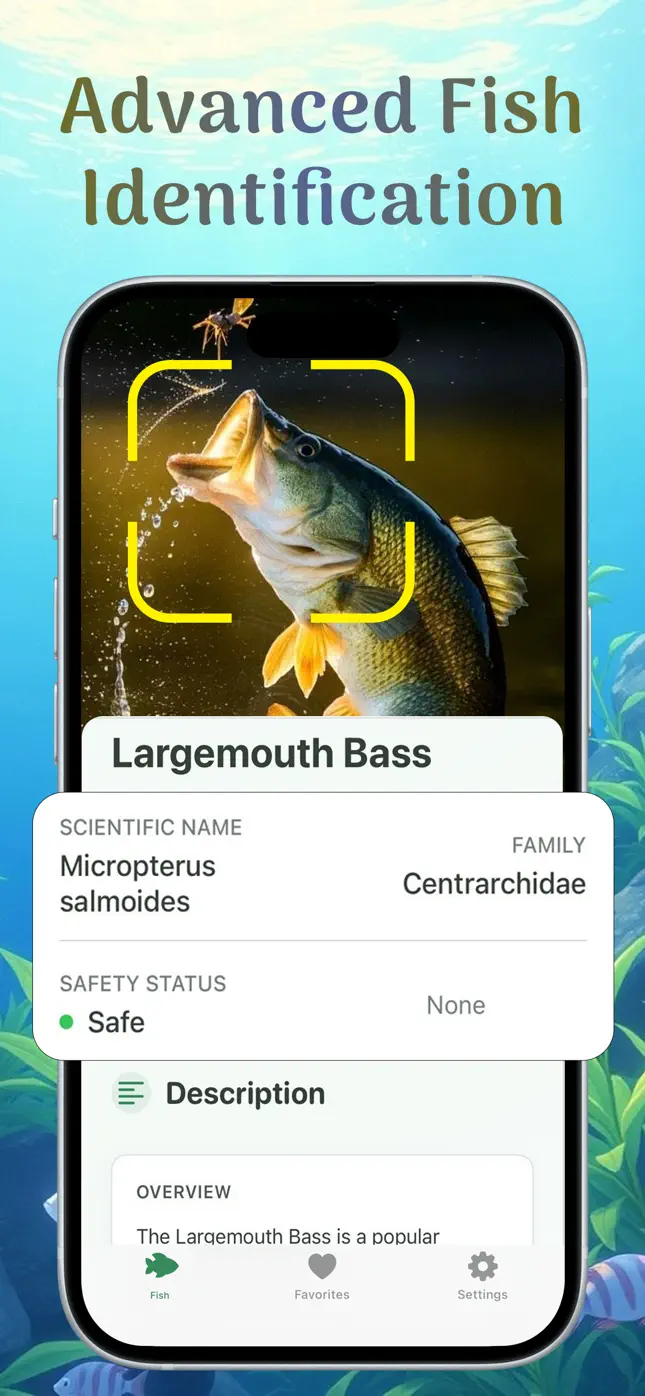
Animal Identifier result for a largemouth bass, with its scientific name, family and safety status
  • From a distance

    A zoomed-in photo is all it needs

  • Harmful or not

    Each result notes if it may be harmful

  • Ask if it's venomous

    Ask as many questions as you like

  • Location-aware

    Results that consider where you are

How it works

How to identify a snake by picture

  1. Scan frame over a photo of a largemouth bass
    1

    Photograph it from a safe distance

    Don't move closer. Use the zoom, and try to show the snake's head and as much of its body pattern as you can.

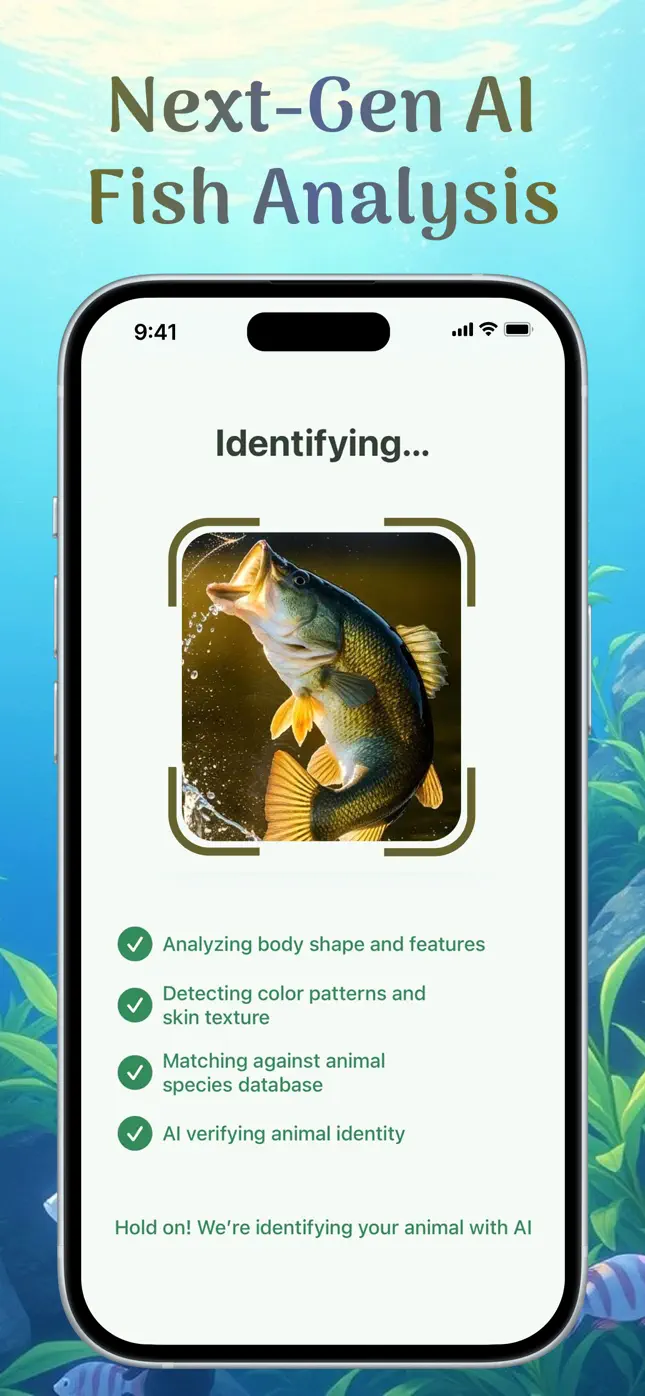
  2. Animal Identifier analyzing a photo of a bass
    2

    Let the AI compare it

    Animal Identifier looks at the snake's shape, colors and pattern, then checks them against its species database.

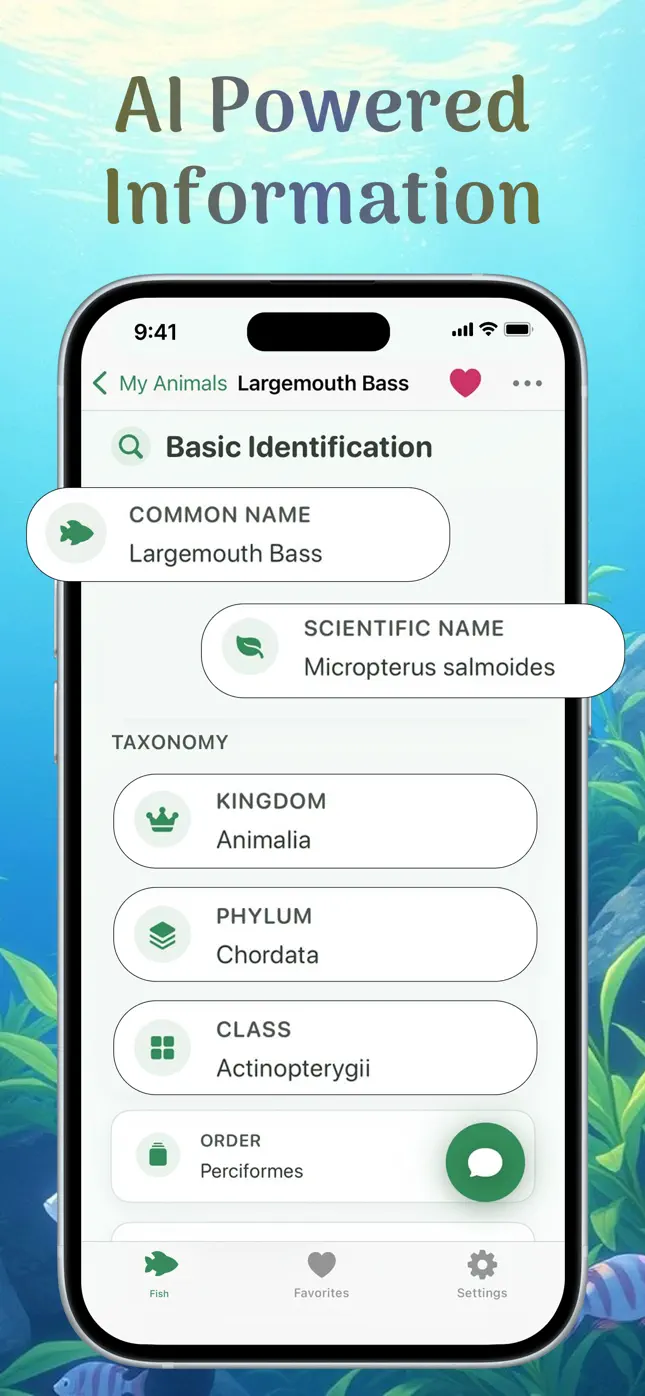
  3. Basic identification screen for a largemouth bass with common name, scientific name and taxonomy
    3

    See what snake it is

    Get the common and scientific name, its family and a short description, with a note if it may be harmful.

Identify a snake by picture

Zoom in, don't step closer

You don't need to get near a snake to find out what it is. A clear, zoomed-in photo is usually enough, and you can also use a photo you already took.

  • Works on a new photo or one in your camera roll
  • Snakes in the yard, the garage or on the trail
  • Tip: try to get the head and the body pattern in view
Animal Identifier analyzing a photo of a bass

Is this snake poisonous?

Ask whether it's venomous

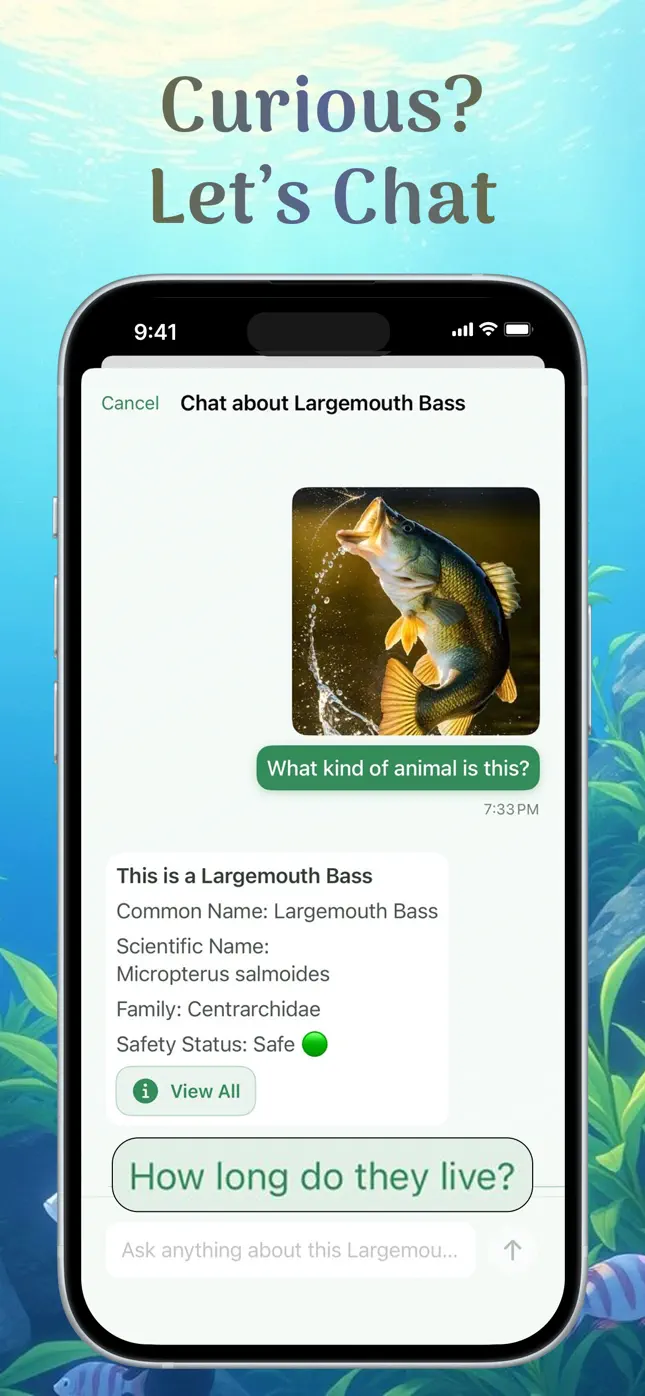
The result notes if the snake may be harmful. Open the chat to ask whether it's venomous, how to tell it from a look-alike, or what to do if it's near your house.

  • A safety status on every result
  • Follow-up questions in a chat
  • Answers based on the snake you identified
Chat about a largemouth bass with a question and an answer

Snake identification

Tell look-alike snakes apart

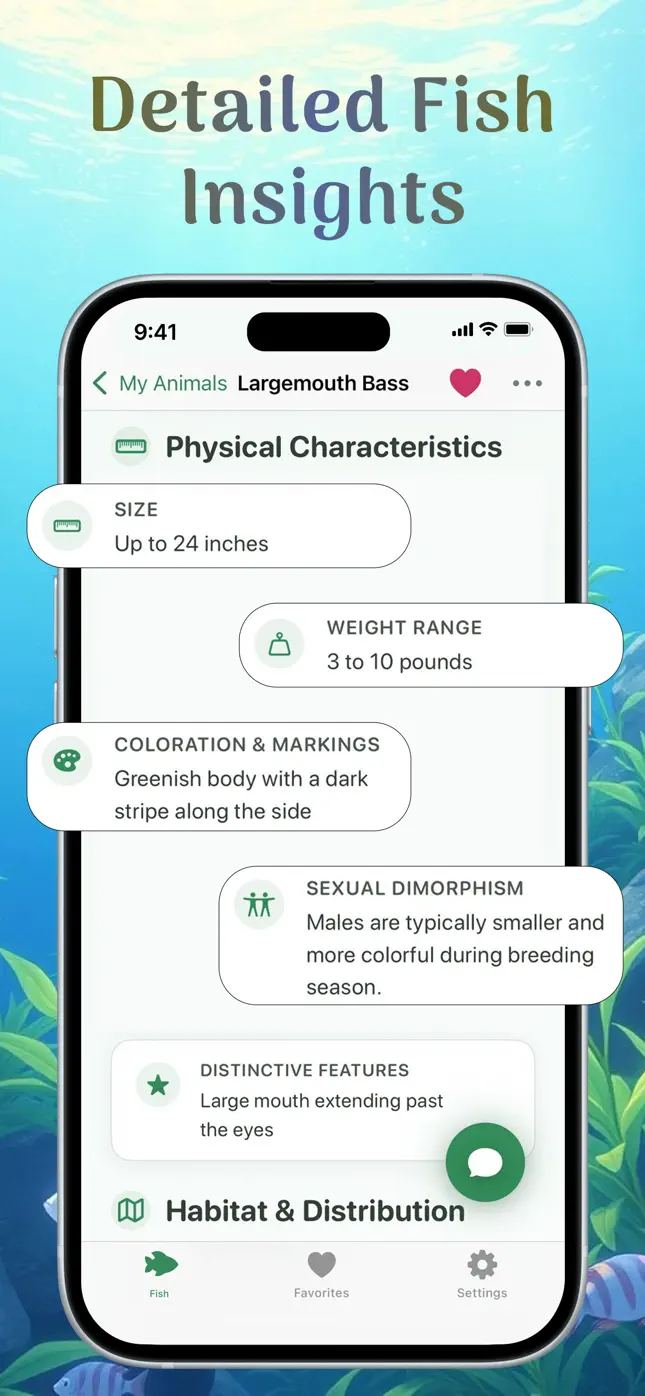
Plenty of harmless snakes look a lot like venomous ones. Each result comes with a profile of the snake's size, colors and pattern, so you can compare the details from a safe distance.

  • Typical length
  • Color pattern and markings
  • Distinctive features to look for
Physical characteristics of a largemouth bass, including size, weight range and markings

Snakes near you

Results that consider where you are

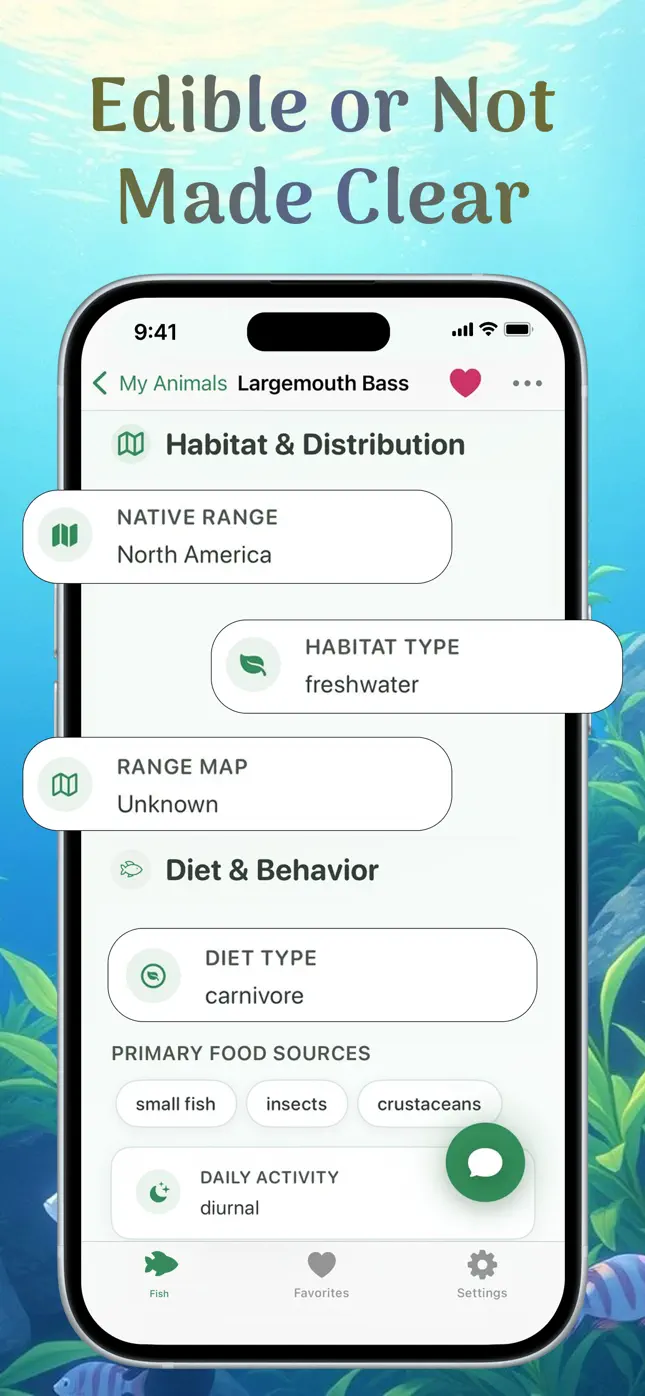
Which snakes you might meet depends a lot on where you live. Animal Identifier takes your location into account, and each result shows where the snake is native and the kind of habitat it likes.

  • Native range and habitat
  • Diet and main food sources
  • Daily activity: day or night
Habitat and diet details for a largemouth bass

Common snakes

From garter snakes to rattlesnakes

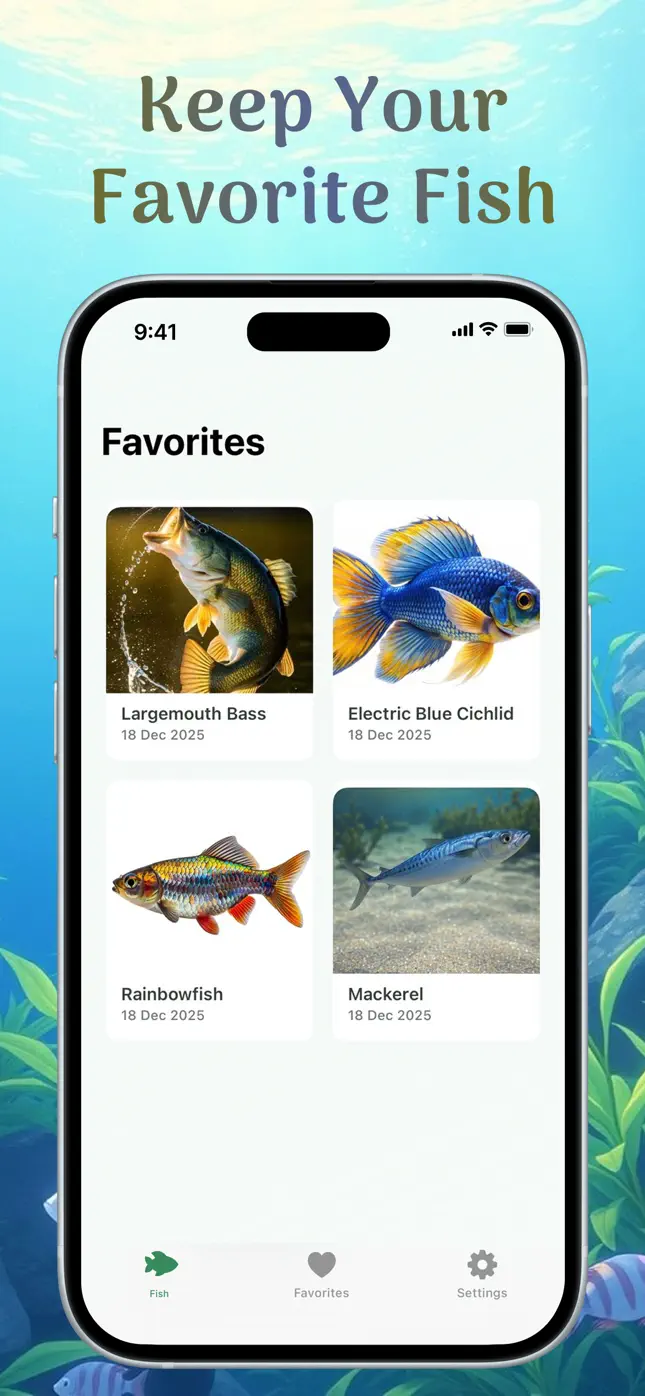
Most snakes people find in yards and parks are harmless, but not all. Animal Identifier names the common ones, and you can save each find to your favorites with the date you saw it.

  • Garter snakes, rat snakes and water snakes
  • Kingsnakes, milk snakes and hognose snakes
  • Rattlesnakes, copperheads, cottonmouths and coral snakes
Favorites screen with a largemouth bass, electric blue cichlid, rainbowfish and mackerel

Stay safe

Never get close to take a photo

Animal Identifier gives you a quick, informed answer, but like any photo tool it can get things wrong, and many harmless snakes look like venomous ones.

  • Never approach or handle a snake to take a photo
  • Photograph it from a safe distance, using the zoom
  • Treat any snake you can't name as venomous, and keep children and pets away

Never rely on an app for safety. Keep your distance, and if someone is bitten, call emergency services or Poison Control (1-800-222-1222 in the US).

Who it's for

For anyone who just saw a snake

  • Homeowners

    Find out what's in the yard, the woodpile or the garage, from a safe distance.

  • Hikers and campers

    Name the snake that crossed the trail once it's moved on.

  • Parents and pet owners

    Check what you're dealing with before the kids or the dog go back outside.

  • Students and nature lovers

    Learn snake species, ranges and habits from the ones you see.

FAQ

Questions about identifying snakes

Something else? Email us at [email protected].

How do I identify a snake?

Note its size, its colors and pattern (stripes, blotches or bands), the shape of its head and where you saw it, all from a safe distance. Location matters, because each region has its own snakes. The quickest way is to take a zoomed-in photo with Animal Identifier, which names the snake in a few seconds.

Is there a snake identifier app?

Yes. Animal Identifier is an animal identification app for iPhone that works on snakes. Take a photo from a safe distance and it tells you what snake it is, notes if it may be harmful, and lets you ask follow-up questions in a chat.

Can I identify a snake from a picture?

Yes. A clear photo is often enough. Never move closer to get it: stay back and use the zoom. Try to show the head and the pattern along the body. A photo you already took works too.

How can I tell if a snake is venomous?

There are some general signs. Most venomous snakes in the US are pit vipers, which often have a broad, triangular head, cat-like vertical pupils and a small pit between the eye and the nostril. Rattlesnakes usually have a rattle on the tail. But none of these signs is reliable on its own: many harmless snakes flatten their heads to look bigger, pupils are hard to see from a safe distance, rattles can break off, and coral snakes have round pupils and slim heads. If you can't name a snake for sure, treat it as venomous and keep away.

Which venomous snakes live in the US?

The main groups are rattlesnakes, copperheads, cottonmouths (also called water moccasins) and coral snakes. Which ones you might meet depends on where you live.

Is a snake poisonous or venomous?

Venomous is the right word for a snake that can inject venom with a bite. Poisonous describes something that's harmful to eat or touch. People often use the two the same way, so you can ask the chat either question.

What should I do if I see a snake?

Stay calm, keep your distance and give it room to move away. Don't try to catch, move or kill it. If a snake is inside your home or won't leave, contact a local wildlife or animal control service.

Is the snake identifier free?

Snake identification is part of Animal Identifier. Free to download. Try it free on your first animal, and ask as many questions as you like about it.

Which devices does it work on?

Animal Identifier is an iPhone app.

Find out what snake that is

Free to download. Try it free on your first animal, and ask as many questions as you like about it.

Download Animal Identifier on the App Store
See everything Animal Identifier does

Privacy policy·Terms of service