

Skip to content
Animal Identifier app icon

Animal Identifier · Bug and insect identification app for iPhone

Bug identifier: what kind of bug is this?

A beetle on the porch, a moth on the screen door or something crawling across the kitchen floor. Take a photo and Animal Identifier tells you what it is and whether it may be harmful.

Download Animal Identifier on the App StoreDownload Animal Identifier on the App Store

Free · iPhone

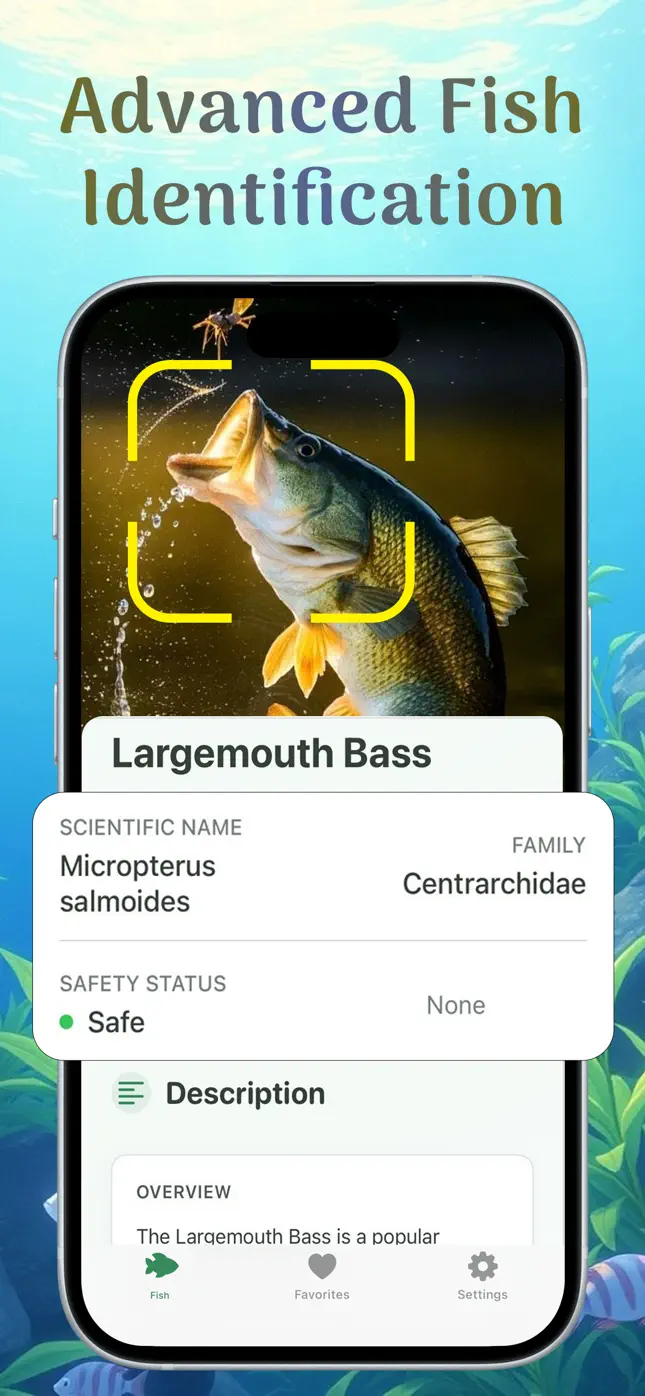
Animal Identifier result for a largemouth bass, with its scientific name, family and safety status
  • From one photo

    Name a bug from a single picture

  • Insects and more

    Beetles, moths, ants, centipedes and more

  • Harmful or not

    Each result notes if it may be harmful

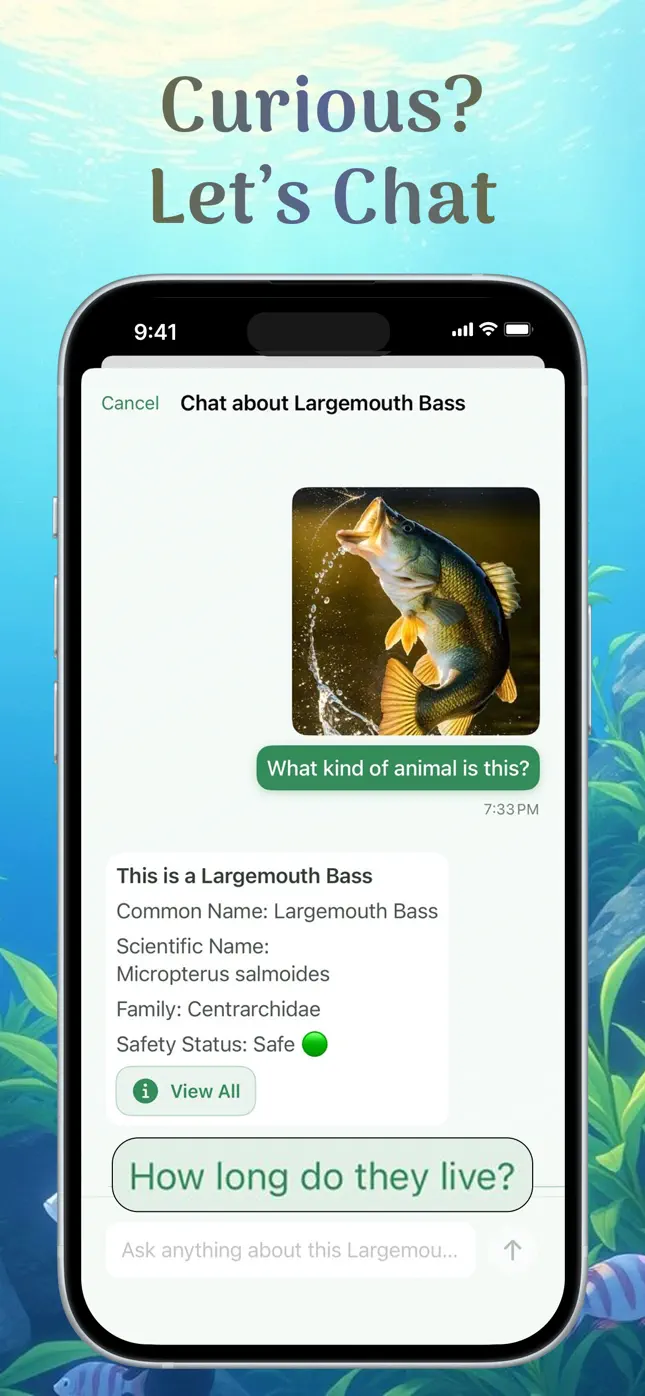
  • Ask about it

    Ask as many questions as you like

How it works

How to identify a bug by picture

  1. Scan frame over a photo of a largemouth bass
    1

    Take a photo of the bug

    Get as close as the camera lets you focus, or use the zoom for anything that stings. Try to show the whole body, with the legs, wings and antennae in view.

  2. Animal Identifier analyzing a photo of a bass
    2

    Let the AI check it

    Animal Identifier looks at the bug's shape, colors and patterns, then matches them against its species database.

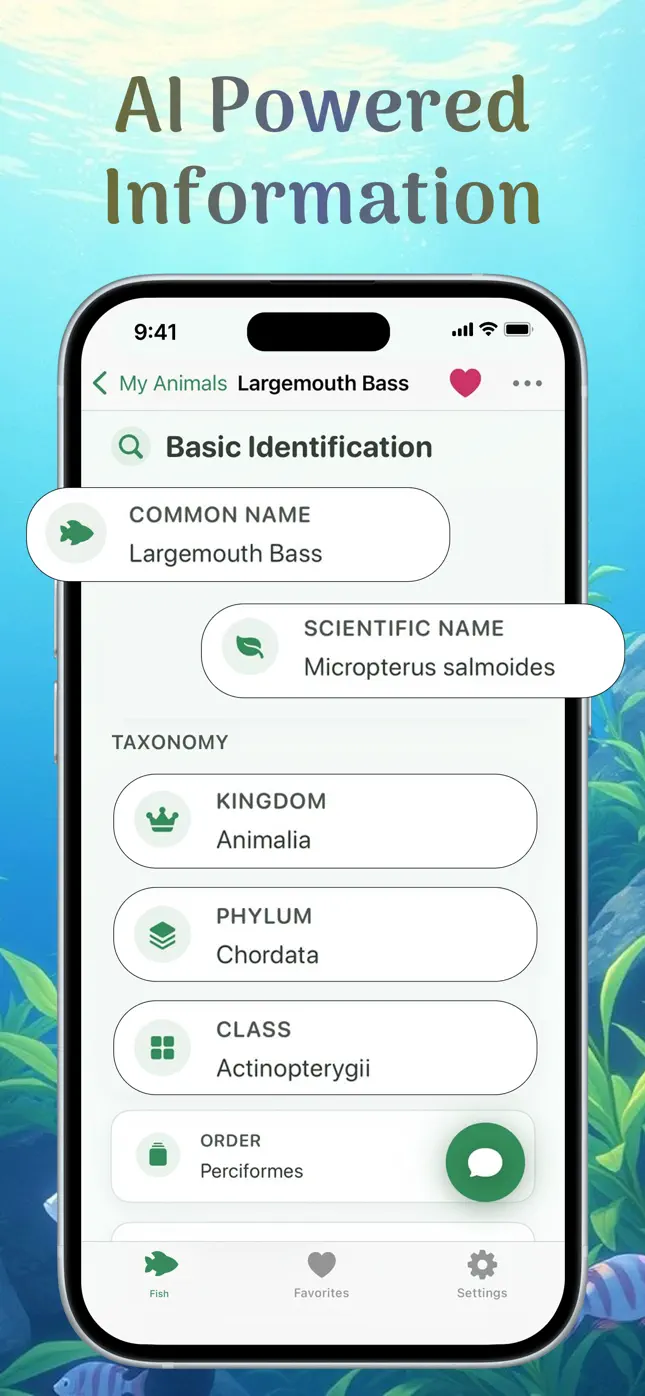
  3. Basic identification screen for a largemouth bass with common name, scientific name and taxonomy
    3

    Find out what it is

    See the common and scientific name, its order and family, and a note if it may be harmful. Save it to your favorites if you want to remember it.

Bug identifier by picture

Point, shoot and get a name

No field guide, no flipping through pages of beetles. One clear photo of the bug is usually enough for Animal Identifier to tell you what kind it is.

  • Works on a new photo or one already in your camera roll
  • Indoors, in the garden or out on a walk
  • Tip: a plain background helps the AI see the shape
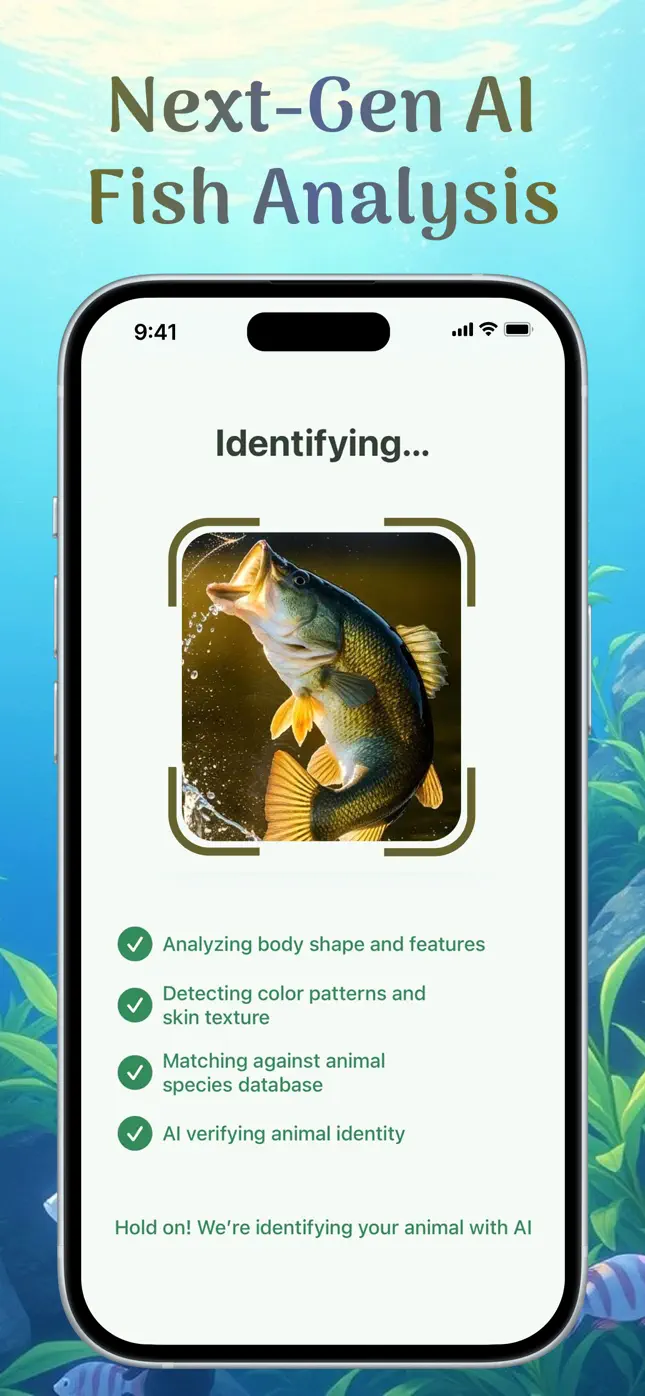
Animal Identifier analyzing a photo of a bass

Insect identification

Beetles, butterflies, moths and more

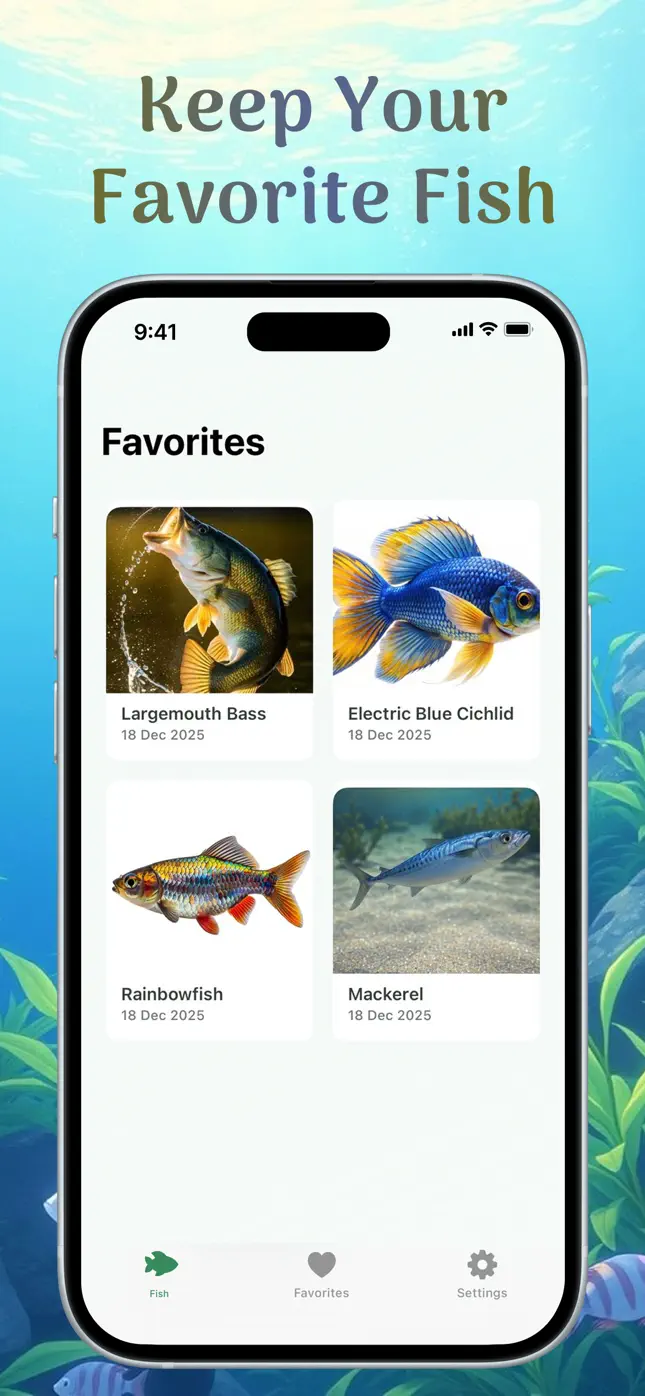
From ladybugs and fireflies to dragonflies and luna moths, Animal Identifier names the insects you come across, and keeps each one in your favorites with the date you found it.

  • Beetles, ants, bees and wasps
  • Butterflies, moths and caterpillars
  • Grasshoppers, crickets, dragonflies and true bugs
Favorites screen with a largemouth bass, electric blue cichlid, rainbowfish and mackerel

Household bugs

Name the bugs you find indoors

Something small on the windowsill or under the sink? Snap it to find out what it is, then ask the chat where it usually lives and what draws it inside.

  • Ants, beetles and stink bugs
  • Silverfish, centipedes and earwigs
  • Moths and flies near lights and windows
Basic identification for a largemouth bass with common name, scientific name and taxonomy

Is this bug dangerous?

Check before you touch it

Every result notes if the bug may be harmful. For anything that might sting or bite, open the chat and ask whether it's venomous, and keep your distance while you check.

  • A safety status on every result
  • Ask whether it's venomous in the chat
  • Answers based on the bug you identified
Chat about a largemouth bass with a question and an answer

Bug profiles

Tell look-alike bugs apart

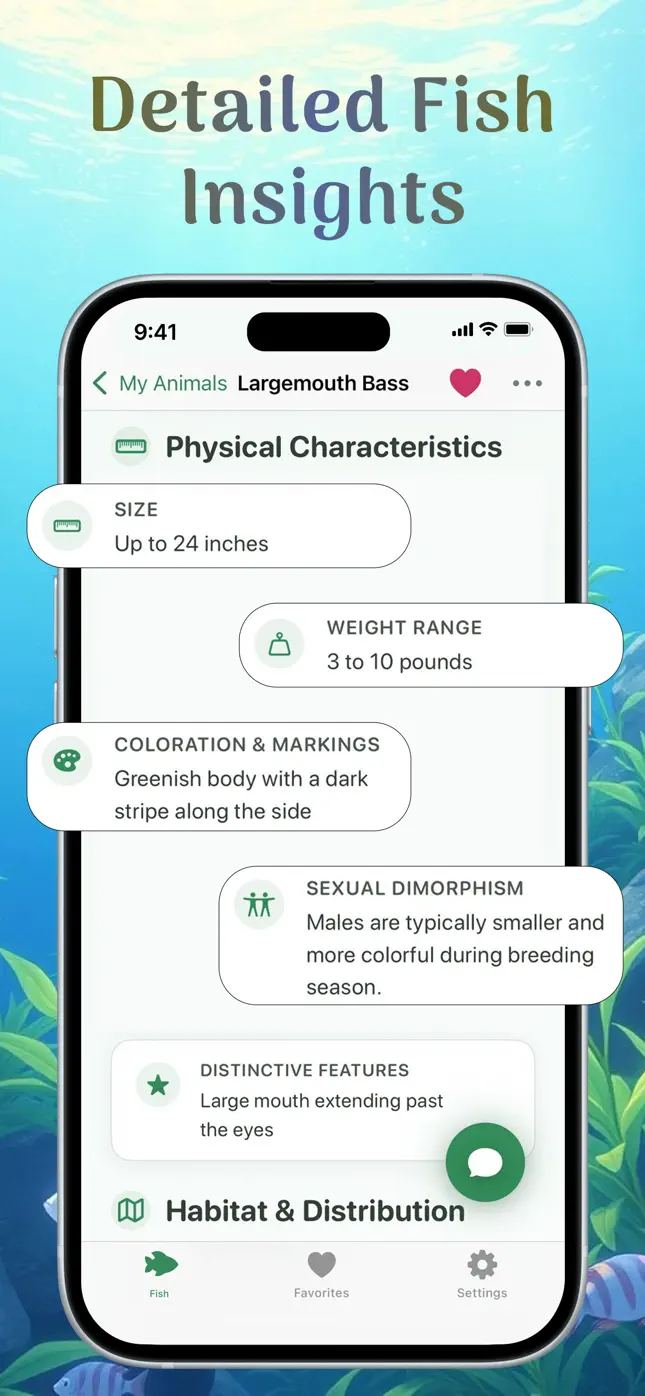
Plenty of bugs look alike at first glance. Each result comes with a profile of the bug's size, colors and distinctive features, so you can compare it with the one you found.

  • Typical size
  • Coloration and markings
  • Distinctive features to look for
Physical characteristics of a largemouth bass, including size, weight range and markings

Habitat and diet

Where it lives and what it eats

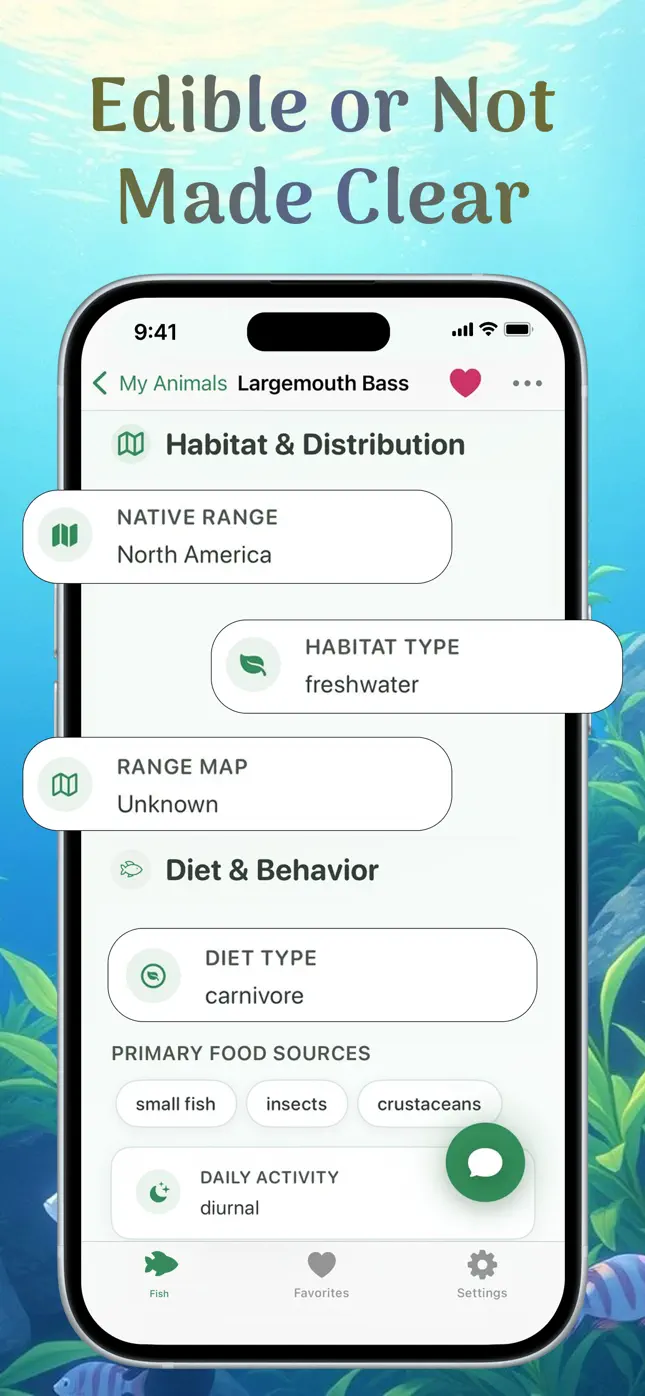
Find out where the bug is usually found, what it feeds on and whether it's out by day or by night. Curious about something else? Ask the chat.

  • Native range and habitat
  • Diet and main food sources
  • Daily activity: day or night
Habitat and diet details for a largemouth bass

Good to know

Look first, touch later

Animal Identifier gives you a quick, informed answer, but like any photo tool it can get things wrong, especially with tiny bugs or a blurry photo.

  • Don't pick up a bug you can't name
  • Use the zoom for bees, wasps and anything that might sting
  • Keep children and pets away until you know what it is

Never rely on an app for safety. Keep your distance, and if someone is bitten, call emergency services or Poison Control (1-800-222-1222 in the US).

Who it's for

For anyone wondering what that bug is

  • Homeowners and renters

    Find out what turned up in the kitchen, the bathroom or the basement.

  • Gardeners

    Name the beetles, caterpillars and other bugs in your beds and borders.

  • Parents and kids

    Turn a bug in the backyard into a quick nature lesson.

  • Students and teachers

    Insect identification for school projects, field trips and bug collections.

FAQ

Questions about identifying bugs

Something else? Email us at [email protected].

How do I identify a bug?

Start by counting the legs: insects have six legs and three body parts, while spiders have eight legs and two. Then look at the wings, the antennae, the colors and patterns, and where you found it. The quickest way is to take a photo with Animal Identifier, which names the bug in a few seconds.

Is there an app to identify bugs?

Yes. Animal Identifier is an animal identification app for iPhone that works on bugs and insects. Take a photo and it tells you what kind of bug it is, notes if it may be harmful, and lets you ask follow-up questions in a chat.

Can I identify a bug from a picture?

Yes. One clear photo is usually enough. Fill the frame with the bug, keep it in focus and try to show its legs, wings and antennae. If the result isn't clear, take another photo from the side or from above.

Is this bug dangerous?

Each result notes if the bug may be harmful, and you can ask the chat whether it's venomous. Treat the answer as a guide only. Until you know what it is, don't touch it, and keep children and pets away.

What's the difference between a bug and an insect?

In everyday speech, a bug is almost any small crawling or flying creature, including spiders and centipedes, which aren't insects. Scientists keep the name true bugs for one group of insects with mouthparts made for piercing and sucking, such as stink bugs, cicadas and aphids. Animal Identifier works on all of them.

How can I tell a butterfly from a moth?

Look at the antennae first. Butterflies usually have thin antennae with a small club at the tip, while moths' antennae are often feathery or thread-like with no club. Most butterflies fly by day, and many moths fly at night.

Is the bug identifier free?

Bug identification is part of Animal Identifier. Free to download. Try it free on your first animal, and ask as many questions as you like about it.

Which devices does it work on?

Animal Identifier is an iPhone app.

Find out what kind of bug that is

Free to download. Try it free on your first animal, and ask as many questions as you like about it.

Download Animal Identifier on the App Store
See everything Animal Identifier does

Privacy policy·Terms of service